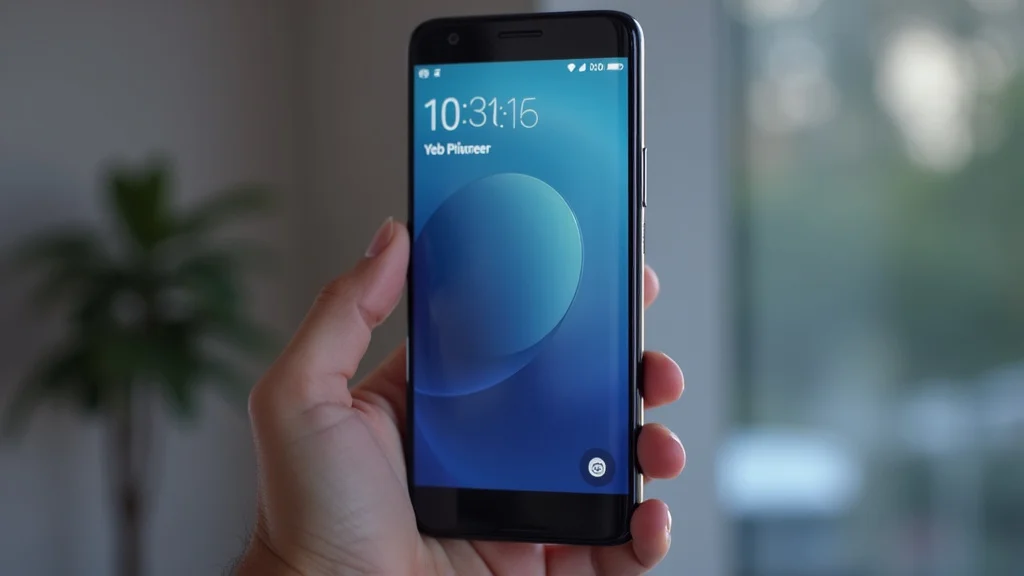
The Ultimate Guide to Protecting Your Phone Screen
Picture this: you’re rushing, your phone slips, and the sickening sound of a cracked screen fills the air. It’s a universal phone-owner nightmare! Replacing a screen is costly and inconvenient. But what if there was a more affordable and effective way to safeguard your device? That’s where a liquid phone screen protector comes in. This guide will explore everything you need to know about these protectors, from how they work to their benefits. You’ll learn how to choose the right one, apply it correctly, and keep your phone safe. By the end, you’ll have the knowledge to protect your valuable device, saving you money and hassle.
Key Takeaways
- Liquid screen protectors provide an invisible layer of protection against scratches and minor impacts.
- Application is generally easy, requiring only a few simple steps.
- They are compatible with almost all phone screen types.
- Maintenance involves simple cleaning to maintain optimal performance.
- They offer a cost-effective alternative to traditional screen protectors.
- Knowing the pros and cons helps make an informed decision for your device.
The Science of Liquid Phone Screen Protection
The core of a liquid phone screen protector‘s effectiveness lies in its unique composition. These protectors are typically made from a silicon dioxide (SiO2) solution, often referred to as liquid glass. This solution, when applied to a phone’s screen, forms a thin, transparent, and durable coating. The coating works on a molecular level, filling in microscopic imperfections on the screen’s surface. This process creates a smoother and more resilient surface that resists scratches and reduces the impact of minor drops.
The properties of silicon dioxide are key to its protective capabilities. It’s an inorganic compound known for its hardness and resistance to abrasion. This makes it an ideal material for a screen protector. Think of it like a microscopic shield, continuously protecting the screen from everyday hazards. When the liquid is applied, the molecules bond with the screen’s surface, creating a long-lasting protective layer. This layer doesn’t change the screen’s look or feel, making it a nearly invisible defense.
How Liquid Glass Works: A Detailed Explanation
The magic happens during the application and curing process. The liquid protector’s active components penetrate the micro-pores of the screen surface. This creates a chemical bond between the glass and the coating. This bond is what gives liquid protectors their lasting durability. The coating then hardens, forming a thin but strong barrier. Unlike traditional protectors that sit on top, a liquid phone screen protector integrates with the screen itself.
- Molecular Bonding: The liquid formula contains nanoparticles that bond with the glass.
- Surface Filling: It fills in minor scratches and imperfections.
- Enhanced Hardness: The cured coating increases the screen’s hardness.
- Hydrophobic Properties: It makes the screen resistant to water and oil.
- Invisible Protection: The coating is nearly undetectable to the eye.
Consider the process of applying a liquid screen protector as a type of nano-sealing. When the liquid comes into contact with the glass, it spreads evenly. The active ingredients then work to bond with the surface. The curing time varies depending on the product, but usually takes a few minutes to fully set. The resulting layer is incredibly thin – often only a few nanometers thick – yet provides substantial protection. The result is a tougher, more resilient screen that can withstand daily use.
The Nano-Technology Behind Screen Protection
Nano-technology plays a huge part in the effectiveness of liquid screen protectors. Nano-particles are incredibly small, allowing them to penetrate the microscopic irregularities in the glass. This ensures complete coverage and creates a uniform protective layer. The use of nano-technology also enhances the screen’s hydrophobic and oleophobic properties. These terms mean that the screen becomes resistant to water and oil, respectively. This makes it easier to clean and reduces fingerprints.
The specific nano-materials used can vary by manufacturer, but SiO2 (silicon dioxide) is a common ingredient. Other materials, such as titanium dioxide (TiO2), may be included to increase scratch resistance. The nano-particles create a surface that is both hard and smooth. This smooth surface reduces friction, making the screen feel better to the touch. The use of nano-technology is a vital factor in providing effective screen protection without compromising the screen’s clarity or touch sensitivity.
Benefits of Using a Liquid Screen Protector
Choosing a liquid phone screen protector can offer several advantages over traditional options. One of the main benefits is its ability to protect against scratches and minor impacts. This can save you from costly screen
- Scratch Resistance: Provides excellent defense against scratches from keys, coins, and other objects.
- Impact Reduction: Lessens the damage from small drops and bumps.
- Easy Application: Simple to apply without bubbles or alignment issues.
- Universal Compatibility: Suitable for most phone screen types, including curved screens.
- Enhanced Clarity: Doesn’t affect the screen’s display quality.
- Oleophobic and Hydrophobic Properties: Makes the screen easier to clean and resistant to fingerprints and water.
One of the key selling points is the invisible nature of the protection. Unlike tempered glass screen protectors, liquid protectors do not create any noticeable change in your phone’s appearance. The result is a clear, vibrant display with no added layers. Additionally, many users find the application process to be much easier than dealing with traditional screen protectors. You can avoid air bubbles and misalignment issues. This is especially advantageous for curved-screen phones.
Applying a Liquid Phone Screen Protector: Step-by-Step Guide
Applying a liquid screen protector is generally a simple process. However, following these steps carefully ensures the best results. The process usually involves cleaning the screen, applying the liquid, and letting it cure. Proper preparation is essential for a successful application. Following the instructions on the product packaging is a good start, but this step-by-step guide will help you achieve a professional finish.
Prepare Your Phone’s Screen
Before applying the liquid protector, the screen must be completely clean. Any dust, fingerprints, or smudges will prevent the protector from bonding correctly. Start by using the cleaning wipe that comes with your liquid phone screen protector. These wipes usually contain isopropyl alcohol, which is ideal for removing oils and grime. If the wipe isn’t included, use a microfiber cloth and a screen cleaner. Avoid harsh cleaning products or abrasive materials that could scratch the screen.
- Wipe the Screen: Use the provided cleaning wipe to remove any dirt or fingerprints.
- Dry the Screen: Ensure the screen is completely dry before applying the liquid.
- Inspect for Residue: Examine the screen under good lighting to ensure it’s spotless. If any residue remains, wipe again with a clean microfiber cloth.
Cleaning is more than just wiping off the screen. It is preparing the surface so that the liquid protector can adhere properly. Take your time to make sure the screen is spotless. This will avoid bubbles or imperfections that may affect the protector’s performance. Cleanliness is a key factor in ensuring a flawless application, which in turn leads to maximum protection and longevity.
Applying the Liquid Protector: The Right Way
Applying the liquid itself is usually straightforward. The applicator often resembles a small, wet wipe or a spray bottle. Hold the bottle or wipe and apply the liquid evenly across the screen’s surface. The goal is to cover the entire screen without applying too much liquid. Excessive liquid can cause streaks or uneven coverage. If you are using a spray bottle, make sure to hold it a few inches from the screen. This ensures an even misting.
- Apply the Liquid: Dispense the liquid evenly over the screen’s surface.
- Spread and Buff: Use the provided cloth to spread the liquid across the entire screen.
- Ensure Complete Coverage: Make sure every part of the screen is covered.
After applying the liquid, it’s essential to spread it evenly using a microfiber cloth. This ensures that the entire screen is covered and that the protector bonds correctly. Pay attention to the edges and corners. These are often the areas that are missed. Gentle, circular motions usually work best. The goal is to achieve a uniform coating that will provide complete protection. Once you’re done, wipe off any excess liquid and wait for the curing time.
Curing and Buffing: Finishing the Job
The final step is allowing the liquid screen protector to cure and harden. This usually takes a few minutes, but it is necessary for the protective properties to activate. Check the product instructions. Most products require you to let the screen sit for a few minutes before wiping it again. This process allows the chemical bond to develop properly. After the curing time, you may need to buff the screen with a dry microfiber cloth to remove any streaks or residue.
- Allow Curing Time: Let the screen sit undisturbed for the recommended time.
- Buff the Screen: Use a clean, dry microfiber cloth to buff the screen.
- Inspect for Imperfections: Check the screen for any remaining streaks or smudges.
When the screen is completely dry and the liquid protector has cured, it should feel smooth. The screen should also appear clearer than before. If there are any streaks or smudges, gently wipe the screen with the microfiber cloth. This will remove any residue and enhance the screen’s clarity. The outcome is a screen that is well-protected and ready to withstand daily use. If there are imperfections, you can reapply the liquid. Make sure to follow the instructions carefully.
Choosing the Right Liquid Phone Screen Protector
Choosing the right liquid phone screen protector means considering several factors. Not all protectors are created equal, and some may offer better performance than others. The quality of the solution, ease of application, and durability are all important. It is essential to choose a product that suits your needs and budget. Researching different brands and reading reviews will help you find the best protector for your device.
Understanding Different Product Features
One of the primary differences between liquid screen protectors is the composition and quality of the solution. Some protectors may be made with lower-quality materials that do not provide as much protection. Look for products that list the use of silicon dioxide (SiO2) as a key ingredient. This indicates that it will be an effective protector. Also, consider the specific features offered by each product. Many protectors include hydrophobic and oleophobic properties.
- Material Composition: Check the primary ingredients and look for silicon dioxide (SiO2).
- Hardness Rating: Some products have a hardness rating.
- Hydrophobic Properties: Choose a protector that repels water.
- Oleophobic Properties: This makes the screen resistant to fingerprints and oil.
- Ease of Application: Look for products that have simple application steps.
- Durability: Check the reviews and see how well the product withstands wear and tear.
Another important factor is the hardness rating of the protector. Some products are tested and rated for their scratch resistance. Ratings are often based on the Mohs hardness scale. A higher rating indicates that the protector will be more resistant to scratches. When you are looking for a product, consider the extra features that will benefit you. Hydrophobic and oleophobic properties are essential for reducing fingerprints and making the screen easier to clean. It’s smart to pick a product that ticks all the boxes.
Reading Reviews and Comparing Brands
Reading reviews and comparing different brands is a key step in choosing a liquid screen protector. These reviews can provide valuable insights into the product’s performance, ease of use, and overall effectiveness. Look for reviews from users who have used the product for several weeks or months. This will give you a better idea of its long-term durability. Pay attention to how the product performs under daily use.
- Read Customer Reviews: See what other users say about the product.
- Check for Durability Feedback: Look for reviews that mention how well it protects the screen.
- Ease of Use: Reviews can tell you how easy the product is to apply.
- Price Comparison: Balance price with the features and performance.
When comparing different brands, consider factors such as price, features, and warranty. Some brands offer a warranty or guarantee, which can give you added peace of mind. Check the brand’s reputation, too. Established brands will often have a history of producing high-quality products. Compare the products to make sure you get the best value. This thorough research makes sure you choose a product that meets your needs and protects your device.
Compatibility and Screen Types
Make sure the liquid phone screen protector is compatible with your phone’s screen type. Most protectors are designed to work with a range of screen types. This includes flat, curved, and even the newer flexible screens. However, it’s always smart to double-check the product description to ensure it’s suitable for your specific device. Liquid screen protectors are generally versatile. However, some special features may require specific formulations.
- Check Screen Type Compatibility: Make sure the protector works with flat or curved screens.
- Material Considerations: Know the materials the screen is made of.
- Consider Touch Sensitivity: Make sure the protector does not affect touch sensitivity.
- Research Brand Information: Understand any specific requirements listed by the brand.
Compatibility is especially important if your phone has a curved screen. Curved screens require a protector that can conform to the shape without creating bubbles or lifting at the edges. Also, check to see if the protector will impact your phone’s touch sensitivity. While most liquid protectors have no effect on touch performance, it’s still wise to review before buying. Choose a protector that enhances your phone’s design and offers superior protection.
Maintenance and Care for Your Liquid Screen Protector
Proper maintenance and care will increase the life and effectiveness of your liquid phone screen protector. Though liquid protectors are durable, they can still be affected by everyday use. Regular cleaning and care will keep the protector working at its best. Taking care of your screen protector is a small investment that provides continuous protection for your phone’s screen.
Cleaning Your Screen Regularly
Cleaning your screen regularly is essential for removing dirt, fingerprints, and other debris that can reduce visibility. Use a soft, microfiber cloth to gently wipe the screen. Avoid harsh chemicals or abrasive materials that could scratch the protector. You can also use a screen cleaner specifically designed for smartphones. It’s best to clean your screen on a regular basis, ideally once a day. This will keep the display clear and maintain the protector’s protective properties.
- Use a Microfiber Cloth: Gently wipe the screen daily to remove fingerprints and smudges.
- Avoid Harsh Cleaners: Do not use harsh chemicals or abrasive materials.
- Use Screen Cleaner: You can use a screen cleaner specifically made for smartphones.
If you notice stubborn smudges or stains, lightly dampen the microfiber cloth with water or a screen cleaner. Avoid getting excess moisture on your phone. Wipe the screen gently until it’s clean. Then, dry the screen thoroughly before use. Regular cleaning prevents the build-up of dirt and oil. This helps maintain the protector’s protective properties and keeps your screen looking clear and smooth.
Reapplication and Lifespan
The lifespan of a liquid screen protector can vary. Many protectors last for several months before needing reapplication. However, factors such as usage, environmental conditions, and the quality of the protector can affect its lifespan. Regular inspections for scratches and damage are recommended. When you begin to see any wear or tear, it may be time to reapply. Reapplication can help keep the screen in top condition.
- Monitor for Wear and Tear: Look for scratches or damage.
- Reapply as Needed: Reapply the protector to maintain protection.
- Follow the Manufacturer’s Instructions: Always follow the product’s instructions.
The frequency of reapplication depends on the specific product and how you use your phone. Some liquid screen protectors may last for six months to a year. Others might require reapplication every three months. To maintain the highest protection, it is vital to know the product’s lifespan and follow the manufacturer’s advice. If you take good care of the screen protector, you will get the longest possible protection.
Maintaining Optimal Performance
To keep the screen protector working well, there are steps you can take. Avoid using harsh chemicals. Avoid dropping your phone on rough surfaces. Use a case to provide extra protection. These simple measures can significantly extend the life of your liquid phone screen protector. Taking these steps can ensure optimal performance and long-lasting protection for your device.
- Avoid Harsh Chemicals: Do not use harsh cleaning products.
- Use a Case: Add a case for extra protection.
- Handle with Care: Try not to drop your phone.
- Clean Regularly: Clean the screen with a soft cloth.
Using a case provides an additional layer of protection. This can prevent impacts and scratches on the screen. Regular cleaning helps remove any grime. These steps will keep the protector functioning at its best. By combining these maintenance tips with careful handling, you can keep your phone screen in top shape. It will provide maximum protection against daily wear and tear. This simple maintenance will keep your screen looking its best.
Common Myths Debunked
Myth 1: Liquid Screen Protectors Are Just Snake Oil
Many people think that liquid phone screen protectors are nothing more than a marketing gimmick. They may believe the protection is minimal. However, these protectors are scientifically formulated. They bond with the phone’s screen and increase its resistance to scratches and minor impacts. They are not a “miracle” solution. They offer a real and measurable increase in protection. When applied correctly, they create a tough, protective layer.
Myth 2: They Provide the Same Protection as Tempered Glass
It’s a common belief that liquid protectors provide the same level of protection as tempered glass screen protectors. The truth is, tempered glass is much thicker and offers superior impact resistance. Liquid protectors are better at preventing scratches and dealing with minor impacts. They provide good protection against everyday wear and tear. They do not offer the same protection as thicker, more durable options.
Myth 3: Liquid Screen Protectors Make Your Phone Screen Unbreakable
Some people think that using a liquid screen protector will make their phone screen completely unbreakable. No screen protector, no matter the type, can make a phone screen indestructible. Liquid screen protectors can reduce the risk of damage. They do not guarantee complete protection from severe drops or impacts. If your phone is dropped from a significant height or hits a hard surface, the screen may still crack.
Myth 4: Application is Difficult and Time-Consuming
Some believe that applying liquid screen protectors is difficult and complicated. The process is generally simple, often involving a cleaning wipe, applying the liquid, and buffing the screen. The application process for most liquid protectors is easy and can be done in just a few minutes. Compared to installing a traditional screen protector, the liquid application is usually simpler. Follow the directions carefully to avoid mistakes.
Myth 5: Liquid Screen Protectors Affect Touch Sensitivity
A common concern is that liquid screen protectors will reduce touch sensitivity. They bond with the screen and create a thin, smooth layer. This does not change the way your touch screen responds. The protector will not interfere with the functionality of your phone. Good liquid screen protectors are designed to provide protection. They also maintain the device’s touch sensitivity without any issues.
Frequently Asked Questions
Question: How long does a liquid screen protector last?
Answer: The lifespan can vary, but most liquid screen protectors last from six months to a year, depending on use and maintenance.
Question: Can I use a liquid screen protector on a curved screen?
Answer: Yes, most liquid screen protectors are compatible with curved screens because they mold to the screen’s shape.
Question: Does a liquid screen protector affect touch sensitivity?
Answer: No, liquid screen protectors are designed not to impact the touch sensitivity of your device.
Question: Can I remove a liquid screen protector?
Answer: No, because a liquid screen protector bonds directly with the glass, you cannot remove it like a traditional screen protector. The effects will wear off over time.
Question: Are liquid screen protectors worth the cost?
Answer: Yes, they are often a cost-effective way to protect your screen from scratches and minor impacts, potentially saving on repair costs.
Final Thoughts
Protecting your phone screen is an important step in preserving the value and functionality of your device. A liquid phone screen protector offers a convenient, effective, and cost-efficient way to achieve this. By using the information in this guide, you can choose the right protector, apply it correctly, and keep your phone’s screen safe from scratches, smudges, and minor impacts. The benefits include scratch resistance, easier cleaning, and an invisible layer of protection. These protectors are especially helpful for curved screens and provide a sleek look. By following the maintenance advice and being aware of common misconceptions, you can make the most of your screen protector. Prioritizing your screen’s care can avoid unexpected repair costs. Take the first step today and keep your phone’s screen safe.