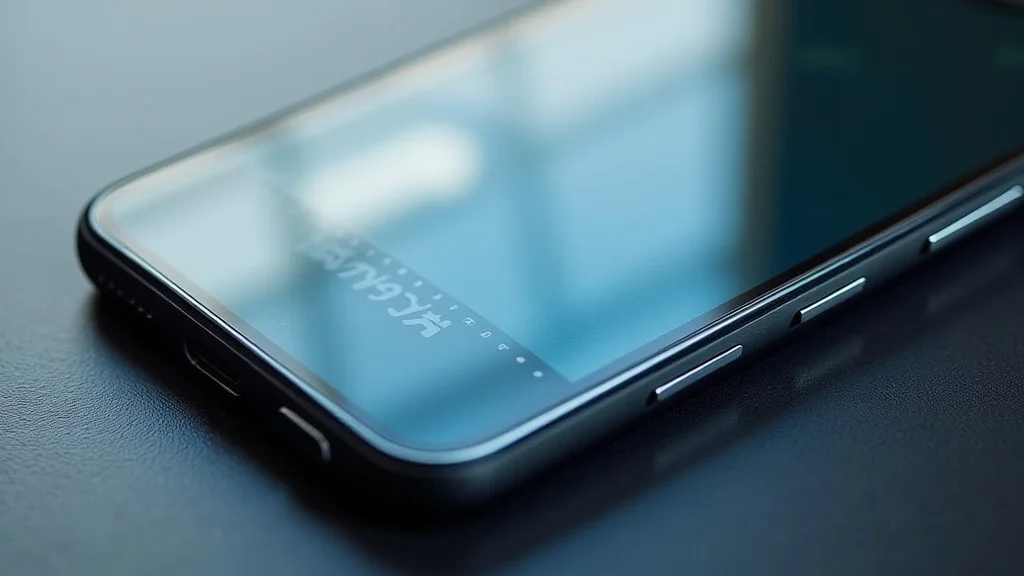
Motorola Edge Screen Protector Guide: Protection and Clarity
Remember that sinking feeling when your phone tumbles to the ground? You hold your breath, hoping for the best. The relief when it’s okay is short-lived if there’s a crack across your screen. That’s where a motorola edge screen protector comes into play, saving the day (and your wallet). This guide is crafted to help you choose the ideal screen protection and understand how it keeps your device safe. You’ll gain valuable insights into different types, installation tips, and why a quality protector is an investment in your phone’s longevity. This will ensure your motorola edge screen remains pristine, improving your user experience and protecting your device.
Key Takeaways
- Learn about different types of screen protectors and their benefits.
- Discover the key factors to consider when choosing a screen protector.
- Get step-by-step instructions for a perfect installation.
- Understand the advantages of tempered glass versus plastic protectors.
- Find out how to maintain your screen protector for optimal performance.
- Learn about the impact resistance and scratch protection capabilities.
Choosing the Right Motorola Edge Screen Protector
Selecting the correct motorola edge screen protector is more than just grabbing the first one you see. Many options exist, each with unique features and benefits. The first step involves assessing your needs. Consider your daily habits: Are you prone to accidental drops? Do you frequently put your phone in a pocket with keys or coins? These activities impact the level of protection you require. Researching different materials, understanding their properties, and recognizing the different types will guarantee that your selection fits your lifestyle. This ensures you’ll choose one that offers the necessary safeguards for your specific usage.
Types of Screen Protectors
Several types of screen protectors are available. Each one provides a different level of protection and may appeal to various users. One of the most common varieties is tempered glass, known for its high impact resistance and scratch protection. Plastic screen protectors are another option, typically made from PET (polyethylene terephthalate) or TPU (thermoplastic polyurethane). These are thinner and more flexible than tempered glass. However, they may offer less protection against drops. Also, there are hybrid protectors that combine attributes from different materials to offer specific blends of hardness and flexibility. Consider what’s important to you: ultimate protection or a less noticeable screen guard?
- Tempered Glass: This type provides the highest level of protection against impacts and scratches. It’s designed to absorb shock from drops and resist scratches from everyday objects.
- PET Plastic: These are typically the most inexpensive. They’re scratch-resistant but less effective against drops.
- TPU Plastic: These provide improved scratch resistance and some impact resistance. They are more flexible than PET.
- Hybrid Protectors: These combine features of glass and plastic for balanced protection.
Tempered glass screen protectors are made through a specific thermal or chemical treatment to increase strength. During the manufacturing process, the glass is heated to high temperatures and then rapidly cooled. This strengthens the outer layer, making it more resistant to cracking and shattering. The result is a tough layer that spreads the force of an impact. Some have an oleophobic coating, helping reduce fingerprints. Installation is usually straightforward, often involving a simple alignment frame to ensure perfect placement. The clarity is often better than with plastic protectors, leading to a much better experience using the device.
PET (Polyethylene Terephthalate) screen protectors are made from a type of plastic that is lightweight and flexible. They are a budget-friendly option and are easy to install, making them attractive to consumers who do not want to spend a lot of time on installation. They offer basic scratch protection and a reduced price point compared to other types. PET screen protectors may not be as durable as tempered glass. They may not offer the same level of impact resistance, leading to potential screen damage from drops or harsh use. Clarity can be good, but not as clear as tempered glass.
TPU (Thermoplastic Polyurethane) protectors are known for their flexibility and impact resistance. Unlike rigid materials, TPU is soft and elastic, allowing it to absorb and disperse the energy of impacts, which may reduce the chance of damage. Installation is usually straightforward, with the protector being placed on the screen. Because of its flexibility, TPU often conforms well to curved screens, offering a complete covering of the device. This type is resistant to oil and fingerprint smudges. While they do offer better protection than PET, they do not match tempered glass regarding scratch resistance.
Hybrid screen protectors attempt to balance the benefits of different materials. Some may combine the flexibility of TPU with a scratch-resistant coating, offering protection against both impacts and scratches. Others might use a layer of tempered glass over a flexible backing, giving the strength of glass with increased impact resistance. They are more costly than the standard plastic options but less costly than a premium tempered glass screen protector. Hybrid protectors are a good compromise for those who want comprehensive screen protection without the higher price or thicker profile of other options. They require proper alignment, which is something you should consider before purchasing.
Factors to Consider Before You Purchase
Making a decision that suits your needs means carefully evaluating several factors. The first is protection level. Assess your lifestyle and how likely it is that your phone will face potential hazards like drops and scratches. Then, examine the material. Tempered glass provides the highest protection against impacts and scratches, while plastic protectors offer more flexibility and often cost less. Another point to consider is the ease of installation. Some protectors come with alignment tools to make the process simple, while others require manual alignment, which may be more challenging. Also, examine the screen clarity. Tempered glass often offers better clarity than plastic, which is useful for maintaining a good visual experience. Considering these aspects will allow you to make an informed choice.
- Impact Resistance: How well does the protector absorb shocks and prevent screen damage?
- Scratch Resistance: How well does the protector resist scratches from keys, coins, and other objects?
- Clarity and Visibility: Does the protector maintain the screen’s clarity and touch sensitivity?
- Ease of Installation: Is the protector easy to apply without bubbles or misalignment?
Impact resistance is determined by the materials and construction of the screen protector. Tempered glass excels in this area because of its design. It’s often multiple times stronger than regular glass. This makes it better at absorbing the impact from drops and falls. Some protectors also have multiple layers. These absorb energy by dispersing the impact force. Choosing a protector with a higher impact rating will increase the chance your screen survives accidental damage. A protector that’s effective at impact resistance should also have good shock absorption. This reduces the risk of cracks or shattering.
Scratch resistance is a key aspect, especially for those who carry their phones in pockets or bags where they are exposed to sharp objects. Materials, such as tempered glass, often have a hardness rating on the Mohs scale, with higher ratings indicating increased scratch resistance. The construction of the protector also affects its scratch resistance. Some protectors have a special coating. This coating will help prevent scratches and make the surface smoother. A protector with good scratch resistance will keep the screen looking new and reduce the risk of visible marks.
The visual experience is essential. A great protector should maintain the original clarity and touch sensitivity of your phone’s screen. Tempered glass protectors generally offer superior clarity. This keeps the colors and brightness of the display accurate. Touch sensitivity is often not affected with high-quality protectors. Poor-quality protectors might affect touch response, making your phone harder to use. Look for screen protectors that are advertised as “crystal clear” or have a high transparency rating. A high-quality protector will keep your device easy to use while protecting it from damage.
Easy installation is a primary consideration, as a poorly installed screen protector is a waste of money. Many protectors come with alignment frames or guides. These make it easier to place the protector. Look for protectors with adhesive technology. This can prevent bubbles during installation. Cleaning the screen before applying the protector is critical to ensure a clean surface. Taking your time during installation can prevent frustration and improve the outcome. If you are not confident, you can consider protectors that offer professional installation assistance.
Finding the Perfect Fit
Your motorola edge screen protector must be the right size. This means it fits perfectly. This is particularly important for phones with curved screens or unique designs. Measure your phone’s screen or use the dimensions provided by the manufacturer to ensure that the protector will cover the entire screen. The protector should align with the edges and any cutouts for cameras, sensors, and the speaker. This guarantees that your screen will be fully protected without affecting the phone’s functionality. Also, make sure that the protector is compatible with your specific motorola edge model. Different models may have different screen sizes and designs.
Installing Your Motorola Edge Screen Protector
Once you’ve chosen your protector, proper installation is key to ensuring its effectiveness. A successful installation is essential for good protection and aesthetics. Carefully follow the steps to avoid bubbles or dust. Take your time, and the effort will pay off. Ensure your screen is clean before you begin. You can ruin a perfect screen protector with a speck of dust or fingerprint if you do not properly clean your phone screen first.
Step-by-Step Instructions
Follow these steps to ensure a flawless installation and maximize your screen protector’s effectiveness.
- Clean the Screen Thoroughly: Use the provided cleaning wipes or a microfiber cloth to remove any dust, fingerprints, or smudges from the phone screen.
- Align the Protector: Carefully align the screen protector with your phone’s screen.
- Apply the Protector: Gently apply the protector to the screen, allowing it to adhere evenly.
- Remove Bubbles (if any): Use a card or cloth to push out any air bubbles from under the protector.
The first step is critical. Start by cleaning your device’s screen thoroughly. Use a microfiber cloth or the cleaning wipes that come with your screen protector. This removes any dust, dirt, or oil that might be on the screen. Any small particles can cause bubbles or bumps beneath the protector. Make sure the screen is completely clean and free of debris. Use the provided dust removal stickers to lift off any remaining particles. This creates the best surface for the screen protector.
Carefully align the screen protector with your phone’s screen to ensure it fits perfectly. Look for alignment guides on the screen protector or the phone itself. Align the protector with the edges of the screen and any cutouts for cameras or sensors. Take your time during this step to avoid any misalignment. Once aligned, gently lower the protector onto the screen. This should happen slowly to prevent any bubbles from getting trapped.
After alignment, gently apply the screen protector to the device’s screen. If you have a tempered glass protector, it may adhere to the screen on its own. If you are using a plastic protector, you may need to apply a small amount of pressure, starting from the center and moving outward. This prevents air bubbles from forming. If any bubbles do appear, use a credit card or the provided applicator to push them toward the edges of the screen. Ensure that the protector is firmly and evenly adhered to the screen.
Bubbles can form under your screen protector during installation. To remove them, use a clean credit card, the provided applicator, or a microfiber cloth. Starting from the center of the bubble, gently push it towards the edge of the screen protector. If the bubble is small, applying gentle pressure may be sufficient. If it is a larger bubble, push it slowly to make sure the air is expelled. Avoid applying too much force, which could damage the screen protector. You might need to lift the protector a bit to eliminate a larger bubble.
Troubleshooting Common Issues
Even with careful installation, you may run into a few issues. Bubbles and dust are the most common problems. If bubbles appear, lift the protector and use the provided tools to work out the air. If you’re dealing with dust, lift the protector and use the dust removal sticker to remove the particles. In the rare case of misalignment, lift the protector and try again. Don’t worry if you do not get it right the first time. Many screen protectors come with multiple protectors for just such an instance.
Maintaining Your Motorola Edge Screen Protector
After installation, maintaining your screen protector is crucial for its longevity and performance. Regular cleaning, avoiding harsh chemicals, and promptly addressing any issues, such as scratches or chips, will keep your screen protector in excellent condition. This will keep your device’s screen clean, clear, and fully protected, allowing it to perform at its best for the long haul.
Cleaning and Care Tips
Follow these steps to keep your screen protector clean and effective. Simple maintenance can significantly extend its lifespan and keep your screen protected.
- Regular Cleaning: Clean the screen protector regularly with a microfiber cloth. Avoid harsh chemicals.
- Avoid Harsh Chemicals: Do not use any cleaning products containing alcohol, ammonia, or other harsh chemicals.
- Inspect for Damage: Regularly inspect the protector for scratches or chips and replace it if necessary.
Cleaning your screen protector regularly will remove dust, fingerprints, and other smudges that can affect the screen’s clarity. Use a microfiber cloth to gently wipe the screen. Avoid using abrasive materials that could scratch the protector. Do not use cleaning agents or harsh chemicals. These can damage the protector’s surface. Regular cleaning will keep the screen looking pristine and extend the life of the protector.
Harsh chemicals can damage the screen protector and cause discoloration or degradation over time. Avoid using glass cleaners, household cleaners, or any products containing alcohol, ammonia, or abrasives. The chemicals can cause the protective layer to break down, which can compromise the screen’s integrity. Instead, use a simple microfiber cloth to wipe the screen. If you need a cleaning solution, use a product that’s specifically designed for electronics. This will ensure that the screen protector remains protected and effective.
Periodic inspections are useful to check for any damage, such as scratches or chips. These can reduce the protector’s effectiveness. Scratches will make the screen harder to view. Small chips can weaken the protector and reduce its ability to absorb impact. If you spot significant damage, replace the protector promptly. This will maintain your screen’s protection. Replacing the protector at the first sign of wear will provide the best long-term protection for your screen.
Common Myths Debunked
Several misconceptions surround screen protectors, which can impact your decisions. This section will clear up some common myths, providing you with factual information. Many people assume that screen protectors reduce touch sensitivity or negatively impact display quality, but that is not always true. By addressing the myths, you will make a better choice.
Myth 1: Screen Protectors Make the Screen Less Responsive
Reality: High-quality screen protectors, especially those made from tempered glass, are designed to maintain touch sensitivity. They offer a smooth surface that responds just as well as the bare screen. While low-quality or poorly installed protectors can sometimes reduce responsiveness, this is not a common issue with good products. Today’s protectors are made to work flawlessly with your device.
Myth 2: All Screen Protectors Offer the Same Level of Protection
Reality: Not all screen protectors are created equal. The level of protection varies considerably. Tempered glass provides the highest protection against impacts and scratches, while plastic protectors may offer less. Choosing the correct type of protector is critical to meet your specific needs. Research and choose protectors with good reviews and strong ratings. The cost difference is often worth it.
Myth 3: Screen Protectors Are Difficult to Install Without Bubbles
Reality: The latest screen protectors are designed for easy installation, often coming with alignment tools and bubble-removal features. Many offer a quick installation process that can be accomplished with relative ease. Prepare the screen properly, align the protector carefully, and use any tools provided to smooth out bubbles. With some practice and care, you can install a protector without bubbles.
Myth 4: Screen Protectors Affect Display Quality
Reality: High-quality screen protectors are engineered to preserve display quality, offering excellent clarity and transparency. Some tempered glass protectors even feature an oleophobic coating that reduces fingerprints and smudges, improving the viewing experience. However, low-quality protectors might slightly distort the screen’s appearance. So look for protectors with high clarity ratings.
Myth 5: Screen Protectors Are Only for Drops
Reality: Screen protectors do more than protect against drops. They also guard against scratches from keys, coins, and other objects in your pocket or bag. They provide a layer of protection against daily wear and tear. This helps keep your screen looking newer longer. By preventing scratches and other damage, screen protectors help extend the life of your device.
Frequently Asked Questions
Question: Can I reuse a screen protector?
Answer: It’s generally not recommended to reuse a screen protector. Reusing a protector can introduce dust and air bubbles and reduce its protective capability.
Question: How often should I replace my screen protector?
Answer: Replace your screen protector when it shows signs of damage like scratches, chips, or reduced clarity. A good protector might last a year or more.
Question: Do screen protectors affect the fingerprint sensor?
Answer: High-quality screen protectors are designed to work well with fingerprint sensors. Ensure your protector is compatible with your phone’s sensor.
Question: Can I use any cleaning solution on my screen protector?
Answer: It’s best to avoid harsh chemicals. Use a microfiber cloth or solutions designed for electronics to avoid damaging the protector.
Question: How do I remove bubbles from a screen protector?
Answer: Use a credit card or a soft cloth to gently push bubbles toward the edges of the screen.
Final Thoughts
Choosing the appropriate motorola edge screen protector is an important step in protecting your investment. By understanding the different types available, considering your needs, and installing the protector correctly, you can dramatically improve the lifespan of your device’s screen. Remember that tempered glass protectors offer superior impact and scratch resistance, while plastic protectors provide a budget-friendly alternative. Proper maintenance and regular inspections will ensure your protector remains effective and that your screen stays pristine. Now, explore the many screen protector options and choose one to fit your needs. By investing in a high-quality protector, you can enjoy peace of mind and extend the life of your motorola edge screen.