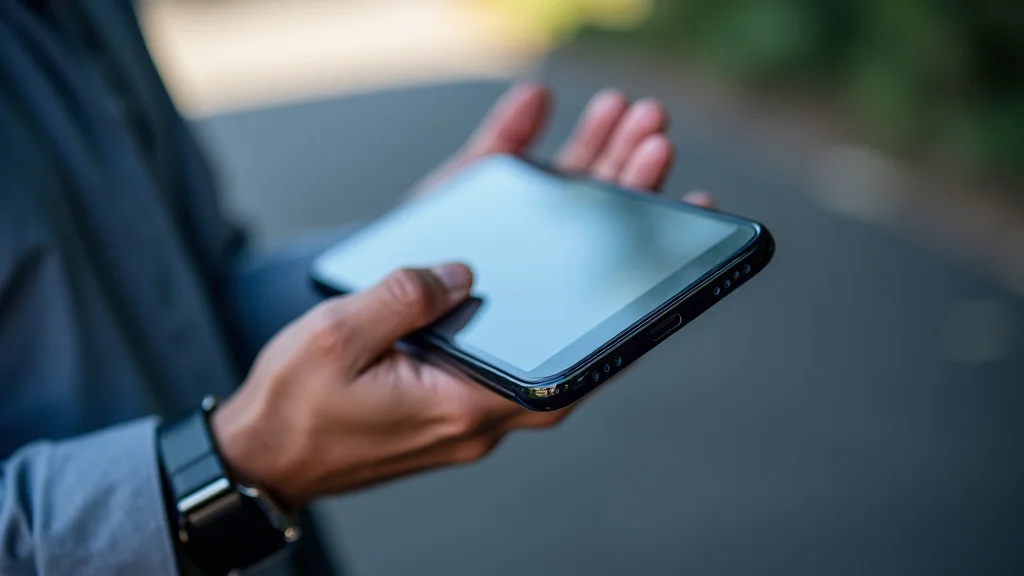
Safeguarding Your Device: The Essentials of Mobile Screen Protection
Picture this: you’re excitedly scrolling through your social media feed when—bam!—your phone slips from your grasp and hits the unforgiving pavement. Your heart sinks as you pick it up, dreading the spiderweb of cracks that surely awaits. Sound familiar? We’ve all been there. Thankfully, a simple solution exists: the mobile screen protector. This guide will explore everything you need to know to keep your precious device safe from harm. By the time you’re done reading, you’ll be an expert on protecting your screen, helping you avoid costly repairs and keep your phone looking brand new. You’ll also learn the different types, the benefits, and how to choose the right one for your phone. Prepare to become a mobile screen protector pro!
Key Takeaways
- Learn about the different types of screen protectors available.
- Understand the benefits of using a screen protector.
- Discover how to choose the right protector for your phone and needs.
- Get tips on installing and maintaining your screen protector.
- Explore the common myths and misconceptions about screen protection.
- Find answers to frequently asked questions about screen protectors.
Understanding the Importance of a Mobile Screen Protector
Your smartphone is an extension of yourself. It’s how you communicate, stay connected, capture memories, and access a wealth of information. With such importance, protecting it should be a priority. Damage to your phone’s screen can quickly ruin your day and cost you time and money. A cracked screen isn’t just unsightly; it can impact the phone’s touch sensitivity, making it hard to use, and exposing the internal components to dust and moisture. A good mobile screen protector serves as a first line of defense against these potential disasters.
The Threats to Your Smartphone Screen
Everyday use poses numerous threats to your phone’s screen. From accidental drops and bumps to scratches from keys, coins, or other objects in your pocket or bag, your screen is constantly at risk. Even putting your phone face down on a table can lead to micro-scratches over time. These small abrasions accumulate and reduce the screen’s clarity, making it harder to see. Consider this: the average person checks their phone dozens of times each day. The more you use your phone, the more exposed it is to potential damage. Protecting your screen is an investment in the longevity and usability of your device.
- Drops and Impacts: These are the most obvious threats, causing cracks, shattering, and internal damage.
- Scratches: Keys, coins, and other objects in your pocket can leave unsightly marks, reducing screen clarity.
- Dust and Debris: Tiny particles can cause scratches and wear down the screen over time.
- Liquid Damage: Spilled water or other liquids can seep into cracks, causing internal damage.
The Cost of Screen Damage
Repairing a damaged smartphone screen can be costly. Depending on the phone model and the extent of the damage, the price can range from a few dollars to several hundred. Beyond the immediate monetary cost, screen damage also leads to inconvenience. You’ll be without your phone while it’s being repaired, which can be a significant disruption. The repair process can also take some time. Not only that, but the resale value of your phone will decrease if the screen is damaged. A good mobile screen protector can eliminate these problems.
Here’s a comparison of potential repair costs for popular smartphone models:
| Smartphone Model | Average Screen Repair Cost |
|---|---|
| iPhone 14 Pro | $279 |
| Samsung Galaxy S23 Ultra | $300 |
| Google Pixel 7 Pro | $219 |
Types of Mobile Screen Protectors
Choosing the right mobile screen protector can feel a little confusing, given the number of options available. Each type offers a different level of protection and has its own advantages. From basic film protectors to more advanced tempered glass options, we’ll explore the main types to help you make an informed decision and safeguard your device.
Film Screen Protectors
Film screen protectors are the most basic and affordable type. These protectors are usually made from thin layers of plastic, like polyethylene terephthalate (PET) or thermoplastic polyurethane (TPU). They are flexible and conform to the shape of your phone’s screen. Film protectors mainly protect against scratches and minor abrasions. They are easy to apply and typically don’t affect touch sensitivity, but they don’t offer much protection against impacts. These are a good starting point for those looking for simple scratch protection without spending a lot.
- Material: Often made from PET or TPU, offering flexibility and scratch resistance.
- Protection: Primarily protects against scratches and minor abrasions.
- Touch Sensitivity: Generally maintains good touch sensitivity.
- Durability: Less durable against drops and impacts compared to other types.
Tempered Glass Screen Protectors
Tempered glass screen protectors are the most popular option due to their high level of protection and enhanced user experience. They’re made from specially treated glass that’s designed to be much more resistant to impacts and scratches than regular glass. These protectors absorb the impact of drops, preventing your phone’s screen from breaking. They also provide a smoother feel and often have an oleophobic coating that resists fingerprints and smudges. They are generally more expensive than film protectors but offer a superior level of protection and are a wise investment for protecting your mobile screen protector.
- Material: Made from tempered glass, offering high impact and scratch resistance.
- Protection: Provides excellent protection against drops, impacts, and scratches.
- Touch Sensitivity: Maintains excellent touch sensitivity and responsiveness.
- Feel: Offers a smooth, glass-like feel and often includes an oleophobic coating for fingerprint resistance.
Liquid Screen Protectors
Liquid screen protectors are a different approach to screen protection. These protectors are a liquid solution that you apply to your phone’s screen. The liquid bonds with the glass, creating a thin, invisible layer of protection. This layer is designed to enhance scratch resistance and, in some cases, offer some degree of impact protection. Liquid protectors are typically applied with a microfiber cloth and are suitable for curved screens. While they provide good scratch protection, they may not offer as much impact protection as tempered glass. They are a good choice if you want something that is not visible on your device.
- Material: Liquid solution that bonds with the screen.
- Protection: Offers enhanced scratch resistance and some impact protection.
- Application: Applied with a microfiber cloth, suitable for curved screens.
- Visibility: Invisible layer, preserving the original look of the screen.
Privacy Screen Protectors
Privacy screen protectors are designed to limit the viewing angle of your screen, making it difficult for others to see your screen from the side. These protectors use a special filter that darkens the screen when viewed from an angle. This is helpful for people who often use their phones in public or work environments. They’re typically available in tempered glass or film materials. In addition to privacy, these protectors offer the same basic level of impact and scratch protection as standard protectors of their type. This makes them a practical choice for security-conscious users.
- Material: Available in tempered glass or film, with an added privacy filter.
- Protection: Provides both screen protection and privacy.
- Viewing Angle: Limits the viewing angle, making the screen appear dark from the side.
- Benefits: Great for public spaces, protecting your data from prying eyes.
How to Choose the Right Mobile Screen Protector
The best mobile screen protector for you will depend on your individual needs and habits. Consider the level of protection you need, your budget, and the type of phone you have. Do you often drop your phone, or are you mostly concerned about scratches? Do you value touch sensitivity above all else? Answering these questions can help you narrow down your choices and make the best selection for your situation.
Assessing Your Needs and Habits
Take some time to examine your daily phone use and identify the risks your phone faces. Do you work in a physically demanding environment? Do you frequently drop your phone? Do you tend to keep your phone in a pocket or bag with other items that could cause scratches? Your answers to these questions will guide you toward the right type of protector. If you’re particularly clumsy or work in a hazard-prone place, a tempered glass protector is a wise investment. If you’re more careful, a film protector might suffice. If you regularly use your phone in public places, a privacy screen protector can be a good choice.
- Lifestyle: Consider your daily activities and how likely your phone is to experience impacts or scratches.
- Environment: Assess where you often use your phone (e.g., outdoors, office, public transport).
- Usage: How often and how do you use your phone, and the kind of things that your phone is exposed to during the day?
- Budget: Determine how much you’re willing to spend on a screen protector.
Factors to Consider: Protection Level, Material, and Features
After assessing your needs, consider the key features and characteristics of each protector type. The level of protection is a major factor. Tempered glass offers the highest protection against drops and impacts, while film protectors provide basic scratch resistance. Also think about the material: tempered glass has a smooth feel that mirrors your screen, while film protectors can sometimes feel stickier. Consider additional features such as an oleophobic coating, which reduces fingerprints and smudges, or a privacy filter that prevents others from viewing your screen.
- Protection Level: The level of protection against drops, impacts, and scratches.
- Material: Tempered glass, film (PET, TPU), or liquid solutions, each with different properties.
- Features: Oleophobic coating, privacy filters, and impact resistance.
- Budget: How much you’re willing to spend, keeping in mind the cost of the phone.
Choosing the Right Fit for Your Phone Model
Screen protectors are designed for specific phone models. Make sure you select a protector that fits your phone perfectly. This is particularly important for models with curved edges or specific camera placements. A poorly fitted protector might not cover the entire screen, leading to gaps where damage can occur. Always check the product description to ensure that the protector is compatible with your phone model. Pay close attention to features like camera cutouts and edge-to-edge coverage. Many manufacturers list the compatible models on the packaging and website.
For example, if you own an iPhone 14 Pro, you need a screen protector designed specifically for that model. A protector made for an iPhone 13 Pro or a Samsung Galaxy phone will not fit correctly.
Installing and Maintaining Your Mobile Screen Protector
Getting the most out of your mobile screen protector involves proper installation and ongoing maintenance. Careful installation is important to ensure a perfect fit and to avoid bubbles or dust particles under the protector. Routine maintenance, such as cleaning, will maintain the screen protector’s appearance and improve its lifespan. By following these steps, you can keep your phone screen looking its best and maximize the benefits of your protector.
Step-by-Step Installation Guide
Installing a screen protector may seem complicated, but with a few simple steps, you can get a perfect finish. First, clean your phone screen thoroughly using the provided cleaning cloth. Remove any dust, fingerprints, or smudges. Next, carefully align the screen protector with your phone’s screen, ensuring all cutouts are properly aligned. Slowly lower the protector onto the screen, allowing it to adhere gradually. Use a card or the included squeegee to push out any air bubbles, working from the center outward. If bubbles persist, gently lift the edge of the protector and use the card to push the air out. The goal is to get the protector perfectly aligned and to eliminate bubbles for optimum usability.
- Clean the Screen: Use the provided cleaning cloth to remove dust and fingerprints.
- Align the Protector: Carefully position the protector, ensuring proper alignment.
- Apply the Protector: Slowly lower the protector onto the screen.
- Remove Bubbles: Use a card or squeegee to push out air bubbles.
Cleaning and Maintenance Tips
Regular maintenance can extend the lifespan of your screen protector and keep your screen clean and clear. Clean your screen protector regularly with a microfiber cloth to remove fingerprints and smudges. Avoid using harsh chemicals or abrasive materials, as these can damage the protector. If your protector gets scratched or damaged,
- Clean Regularly: Wipe your screen protector with a microfiber cloth to remove fingerprints and smudges.
- Avoid Harsh Chemicals: Do not use harsh chemicals or abrasive materials.
- Replace if Damaged: Replace your protector if it gets scratched or damaged.
- Use Screen-Cleaning Solutions: For tougher grime, use a small amount of water or a screen-cleaning solution.
Common Myths Debunked
Many myths surround mobile screen protector. Dispelling these misconceptions can assist you to make informed decisions about protecting your device. Let’s separate fact from fiction and explore the truth about these protective shields.
Myth 1: Screen Protectors Reduce Touch Sensitivity
Some people believe that screen protectors degrade their phone’s touch sensitivity, making it hard to use. The reality is that good-quality screen protectors, especially those made from tempered glass, are designed to maintain touch sensitivity. They are made from high-quality materials that won’t interfere with the responsiveness of your screen. In fact, many high-end protectors have a smooth, glass-like finish that may even improve your phone’s touch experience. When shopping for a screen protector, check reviews to ensure that it has great touch sensitivity.
Myth 2: Screen Protectors Are Only for Clumsy People
This is completely false. While it’s true that screen protectors help people who drop their phones a lot, they benefit everyone. They provide protection from scratches and abrasions, which can occur during regular use. Even if you’re very careful with your phone, the screen is still susceptible to scratches from keys, coins, and other objects. A screen protector is like insurance: it protects your phone in various situations, whether you are prone to accidents or not. Preventing scratches can greatly increase your device’s resale value.
Myth 3: All Screen Protectors Offer the Same Level of Protection
Not all mobile screen protector are created equal. Different types of screen protectors offer varying levels of protection. Film protectors provide basic scratch resistance, while tempered glass protectors offer superior impact protection. Choosing the correct protector for your needs is important. Tempered glass protectors generally offer the most comprehensive protection. Researching the different features of each type can give you the best protection for your investment. Make sure to assess your needs.
Myth 4: Screen Protectors Are Difficult to Install
Many people assume that installing a screen protector is a complicated process, but this is not generally the case. Most screen protectors come with easy-to-follow instructions and are simple to install. With a bit of care and patience, you can apply a screen protector without any problems. Most screen protectors also come with cleaning cloths to prepare the screen surface. Today, many screen protectors also have features that aid in installation, like alignment frames and bubble-reducing technology.
Myth 5: Screen Protectors Are Expensive
While some high-end screen protectors can be pricey, there are many affordable options available. The cost of a screen protector is a small price to pay compared to the cost of repairing a cracked screen. You can find excellent screen protectors at various price points, depending on your needs. Budget-friendly screen protectors can still provide good protection against scratches. Choosing to spend money on screen protection is a smart investment to safeguard your phone and can save you from high repair costs in the future.
Frequently Asked Questions
Question: Do screen protectors affect touch sensitivity?
Answer: High-quality screen protectors, especially tempered glass ones, are designed not to affect touch sensitivity. They offer a smooth surface, and the touch response is the same as without a protector.
Question: Can I reuse a screen protector after removing it?
Answer: It’s generally not recommended. Removing a screen protector can damage it, and the adhesive may lose its effectiveness, leading to bubbles and poor adhesion upon reapplication.
Question: How often should I replace my screen protector?
Answer: Replace your screen protector when it becomes scratched, damaged, or starts to peel. This ensures that your screen remains protected.
Question: Are all screen protectors compatible with my phone’s case?
Answer: Most screen protectors are case-friendly, but always check the product description or reviews to ensure compatibility with your case.
Question: Can I apply a screen protector myself?
Answer: Yes, most screen protectors are designed for easy application. They come with tools like cleaning cloths and alignment guides. Follow the instructions to install the screen protector properly.
Final Thoughts
Investing in a mobile screen protector is a straightforward way to protect your device from the everyday hazards that can damage your screen. By selecting the correct type of protector and following the correct installation and maintenance procedures, you can extend the lifespan of your phone and avoid expensive repairs. From protecting against scratches and impacts to maintaining touch sensitivity, a screen protector is a smart, budget-conscious choice for keeping your device in top condition. Don’t wait until damage occurs; choose a screen protector today and enjoy the peace of mind that comes with knowing your screen is protected. Safeguard your investment by taking action now and keeping your phone looking and working like new.