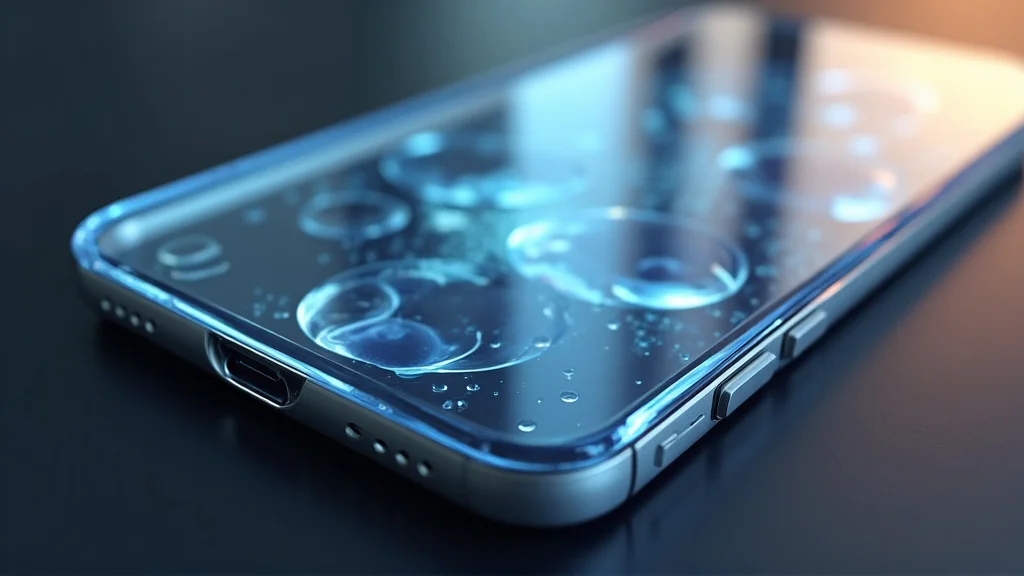
Tempered Glass Mobile Phone Screen Protector Benefits Revealed
Remember that sinking feeling when your phone tumbled out of your hand and hit the pavement? The heart-stopping moment before you picked it up, bracing for the worst? Many of us have been there. Luckily, you can protect your device. This blog post explores the advantages of using a tempered glass mobile phone screen protector. You’ll discover how these protectors keep your phone screen safe and functioning. By the end, you will have a better grasp of the many advantages of protecting your phone and know how to choose the right tempered glass mobile phone screen protector to suit your needs.
Key Takeaways
- Tempered glass screen protectors offer superior protection against scratches and impacts.
- These protectors maintain the original touchscreen sensitivity and clarity.
- Installation is generally easy, with many protectors including tools and instructions.
- Tempered glass is more durable and lasts longer compared to plastic protectors.
- You can choose protectors with added features like oleophobic coatings to reduce fingerprints.
- Properly applied tempered glass can significantly extend the life and value of your phone.
Screen Protection: Why Tempered Glass Matters
The screen of your mobile phone is the most vulnerable part. It’s constantly exposed to potential damage, from keys in your pocket to accidental drops. Replacing a damaged screen is expensive and time-consuming. This section explores why tempered glass screen protectors are vital for maintaining your phone’s screen in optimal condition. You’ll learn about the materials and the technologies involved in manufacturing these protectors and how they work to provide the best protection against scratches, impacts, and other forms of damage.
The Science Behind Tempered Glass
Tempered glass is a type of safety glass processed by controlled thermal or chemical treatments to increase its strength compared to normal glass. This process puts the outer surfaces into compression and the interior into tension. Such stresses cause the glass to break into small granular chunks instead of sharp shards when broken. This is a crucial safety feature, minimizing the risk of injury from shattered glass. The manufacturing process involves heating the glass to high temperatures and then rapidly cooling it, creating a strong, resilient material. This makes tempered glass ideal for use in mobile phone screen protectors, where durability is key.
- High Strength: Tempered glass is several times stronger than standard glass. It can withstand significantly more force before cracking or breaking. This extra strength comes from the unique manufacturing process, which alters the internal structure of the glass to make it more durable.
- Impact Resistance: Because of its strength, tempered glass offers exceptional resistance to impacts. It can handle sharp impacts from keys, coins, or other objects that might scratch or damage a regular screen.
- Scratch Resistance: Tempered glass is highly scratch-resistant, helping to keep your phone screen looking new for longer. Daily use can lead to scratches from keys, coins, and other items.
- Durability: The durability of tempered glass ensures that the screen protector itself lasts longer, offering sustained protection for your phone. A durable protector saves you from having to replace it frequently.
This increased strength translates directly to improved screen protection. A tempered glass screen protector can absorb the impact of a drop or scratch, protecting the phone’s screen beneath.
The impact resistance is not just about withstanding force; it is also about how the glass breaks. When tempered glass does break, it shatters into small, relatively harmless pieces, reducing the risk of injury.
The surface hardness of tempered glass is designed to withstand the abrasive forces that cause scratches. This scratch resistance helps maintain the clarity and functionality of the phone’s display.
Durability also means the screen protector can withstand more wear and tear, maintaining its protective capabilities over time. This offers a longer-term investment in your phone’s safety.
Manufacturing Process of Tempered Glass Screen Protectors
The manufacturing of a tempered glass screen protector is a precise process involving several steps designed to create a product that provides optimal protection and clarity. The process starts with selecting high-quality glass. The raw glass undergoes cutting, grinding, and polishing to the specific dimensions of the phone screen. It’s then put through thermal or chemical treatments to increase strength and durability. Coatings are applied to enhance features such as clarity, oleophobic properties, and resistance to scratches. This detailed process ensures that each screen protector is precisely crafted to meet the highest standards of quality and performance.
- Cutting and Shaping: The glass is cut into the precise shape and size to match the specific mobile phone model. This is usually done using computer-controlled cutting machines to ensure accuracy and precision.
- Edge Grinding and Polishing: The edges of the glass are ground and polished to remove any sharp edges and create a smooth, rounded finish. This improves the feel and appearance of the protector.
- Tempering: The glass undergoes thermal or chemical tempering. During thermal tempering, the glass is heated to high temperatures and then rapidly cooled, creating internal stresses that increase its strength. Chemical tempering involves placing the glass in a chemical bath to strengthen the surface.
- Coating Application: Various coatings are applied to the glass, including oleophobic coatings to reduce fingerprints and anti-reflective coatings to improve visibility. These coatings enhance the overall functionality and user experience.
- Quality Control: Each screen protector goes through stringent quality control checks to ensure it meets the highest standards. This includes inspections for clarity, edge quality, and overall durability.
Accurate cutting is important, as the protector must fit perfectly on the screen without covering the camera, sensors, or speaker. Precise dimensions guarantee it does not interfere with the user experience.
The edge treatment not only enhances the aesthetics of the protector but also reduces the risk of chipping or cracking. A smooth edge also makes the protector safer to handle and install.
Tempering is the critical process that transforms ordinary glass into tempered glass. It is this process that gives the protector its impact and scratch-resistant properties, safeguarding your phone screen.
These coatings improve the clarity and usability of the screen protector. An oleophobic coating reduces smudges, while anti-reflective coatings allow for better viewing in bright light conditions.
This is the final step, ensuring that the protector is free from defects and performs as expected. Quality control guarantees that the product meets the specifications and protects your screen.
Installation and Usability of a Tempered Glass Protector
A great screen protector is only effective if it’s applied correctly. Proper installation ensures that your screen protector functions effectively and protects your device. This section covers the best ways to install a tempered glass screen protector and use it for optimal screen performance. You’ll learn how to prep your phone screen, align the protector, and deal with any issues that may arise during installation. Additionally, you will discover the features that make these protectors highly usable, from maintaining touchscreen sensitivity to enhancing overall visibility.
Step-by-Step Guide to Applying Your Protector
Installing a tempered glass screen protector seems challenging, but with the right steps, it can be a straightforward process. Preparation, precision, and patience are key. This guide will take you step-by-step to achieve a bubble-free, perfectly aligned installation. Following these simple steps ensures that you get the most protection and best user experience from your new screen protector, extending the life of your device.
- Prepare the Phone Screen: First, use the provided cleaning wipes to thoroughly clean your phone’s screen. Remove all dust, dirt, and fingerprints. Use the microfiber cloth to remove any streaks. A clean surface is essential for proper adhesion.
- Align the Protector: Carefully align the screen protector with your phone’s screen. Make sure the cutouts for the camera, speaker, and sensors are correctly aligned. This is crucial for proper fit and function.
- Apply the Protector: Once aligned, gently lower the protector onto the screen. Allow it to adhere naturally. Avoid pressing down too hard initially, as this can create air bubbles.
- Remove Air Bubbles: If air bubbles appear, gently push them toward the edges of the screen using the provided tool, like a squeegee or credit card. Work slowly and methodically.
- Final Check: Once the protector is in place, examine it for any remaining bubbles or misalignments. If any are found, you may need to repeat the alignment and bubble-removal steps.
Thorough cleaning prevents bubbles from forming under the protector. Even tiny particles can create an air pocket. Take your time, and be sure your screen is spotless.
Careful alignment is very important. Many protectors have alignment tools to help. Ensure the protector is positioned exactly to avoid obstructing any features.
Most tempered glass screen protectors are designed to adhere smoothly to the screen. Applying it slowly and carefully lets the air escape, minimizing bubbles.
Small bubbles usually disappear within a day or so. Larger ones may require you to lift the protector and reapply it. Patience is key to bubble removal.
A final inspection assures a perfect fit and optimum screen protection. If everything looks good, your phone is now well-protected.
Maintaining Touchscreen Sensitivity and Clarity
One of the most important aspects of a tempered glass screen protector is its ability to maintain the touchscreen’s original sensitivity and clarity. High-quality tempered glass is designed to be very thin, preserving the responsiveness of your phone’s touch functions. In addition, the glass is manufactured with advanced coatings to ensure crystal-clear visibility, reducing glare and maintaining the vibrancy of your display.
- Touchscreen Sensitivity: Top-quality tempered glass screen protectors are built to preserve touch sensitivity. They are made from materials and designed to allow the user to keep the original touchscreen response.
- Clarity and Transparency: Tempered glass screen protectors are designed for clarity. High transparency means the screen protector allows light to pass through. The user will be able to view their screen with minimal distortion.
- Oleophobic Coating: Many tempered glass protectors have oleophobic coatings. These coatings reduce fingerprints and smudges, keeping the screen clean and clear.
- Edge-to-Edge Design: Edge-to-edge screen protectors offer maximum coverage. They are built to cover the entire screen, including the curved edges, increasing protection.
Using a protector that compromises touch sensitivity is very frustrating. Look for protectors that specifically mention maintaining high responsiveness, ensuring a smooth and responsive experience.
A clear screen protector is important for optimal viewing of your content. Ensure that the protector has anti-reflective properties to reduce glare and maintain a bright, sharp display.
The coating helps to repel oils from your fingers. This makes it easier to wipe away smudges and keep your screen clean. This helps reduce distractions and improves overall visibility.
Full coverage protects the entire screen surface, reducing the risk of damage. This protects the screen from scratches and impacts. The edge-to-edge design does not interfere with the functionality of your screen.
Comparing Tempered Glass to Other Screen Protectors
Choosing the right screen protector involves comparing different types available. While several options exist, tempered glass screen protectors are often preferred for their superior protection and usability. This section compares tempered glass protectors with plastic film and PET film protectors. This information can help you find out which protector meets your needs. This knowledge will assist you to make the right choice when selecting a screen protector.
| Feature | Tempered Glass | Plastic Film |
|---|---|---|
| Protection Level | High impact and scratch resistance | Moderate scratch resistance |
| Clarity | High transparency, minimal distortion | May have some distortion |
| Touch Sensitivity | Maintains original sensitivity | Can affect sensitivity |
| Durability | Long-lasting | Easily scratched and wear-out quickly |
| Installation | Generally easy, bubble-free installation | Can be difficult to install, prone to bubbles |
| Feel | Smooth, glass-like feel | May feel sticky or rubbery |
Advantages of Tempered Glass Over Plastic Film
While plastic film screen protectors are available, tempered glass screen protectors offer several key advantages. The durability of tempered glass ensures that it can withstand scratches and impacts much better than plastic film. The material’s clarity is superior, providing a clearer view of your screen. Because of its construction, tempered glass does not affect touch sensitivity as much as plastic film. These are the main benefits that draw people to tempered glass.
- Superior Protection: Tempered glass offers better impact and scratch protection. It is built to withstand drops and prevent scratches.
- Enhanced Clarity: Tempered glass provides a clearer display. The high transparency allows for optimal viewing.
- Improved Touch Sensitivity: The construction of tempered glass typically retains original touch sensitivity. This gives users a smooth and accurate response to touch input.
- Durability: Tempered glass screen protectors are more durable. Their resistance to scratches and wear means that they will last longer.
- Ease of Installation: Tempered glass screen protectors are often easier to install because of their rigidity. This minimizes the bubbles and ensures a smooth application.
Plastic films are less effective at absorbing impacts, meaning they are prone to tearing or breaking. Tempered glass provides a stronger defense.
Plastic films often have lower clarity. This makes the screen look less sharp and can cause eye strain.
Some plastic films can reduce touch sensitivity, which makes navigating your phone slow and frustrating.
Plastic films are more prone to scratches. They will require more frequent replacement.
Plastic films can be prone to bubbles. This makes application more difficult and leads to a less-than-perfect fit.
Comparing Tempered Glass with PET Film Protectors
PET (Polyethylene Terephthalate) film protectors are an alternative to tempered glass. PET film is a type of plastic that is commonly used to protect screens. While cheaper than tempered glass, PET film protectors offer less protection against drops and impacts, are more susceptible to scratches, and do not provide the same feel as glass. The advantages of tempered glass include better clarity, a more responsive touch experience, and increased durability. PET film protectors may be a viable short-term option, but tempered glass is a better long-term choice.
- Scratch Resistance: Tempered glass is much more scratch-resistant than PET film. This prevents scratches from keys, coins, and other objects.
- Impact Resistance: Tempered glass provides better protection against impacts and drops. This protects your phone screen.
- Clarity: Tempered glass offers higher clarity. This gives a clearer image and better viewing experience.
- Touch Sensitivity: Tempered glass generally maintains original touch sensitivity. It offers more accurate and responsive interactions.
- Durability: Tempered glass lasts much longer. The tempered glass is built to withstand use, which reduces the need for frequent replacement.
PET film is more likely to scratch. This will reduce the screen’s clarity and will eventually require replacement.
PET film offers minimal impact protection. Your screen will be more vulnerable to damage.
PET film can have lower clarity. This creates a less-sharp screen and makes the device harder to use.
PET film can reduce touch sensitivity. This can make the phone more difficult to use.
PET film often requires more frequent replacement. Its lower durability leads to quicker wear and tear.
Common Myths Debunked
There are many ideas floating around about tempered glass mobile phone screen protector. This section debunks some common misconceptions. It is important to separate fact from fiction. With a clear view of the facts, you can make an educated decision when choosing the right protector.
Myth 1: Tempered Glass Makes Your Screen Less Sensitive
Many people believe that using a tempered glass mobile phone screen protector will reduce the responsiveness of the phone’s touchscreen. In reality, modern tempered glass screen protectors are designed to maintain the original touch sensitivity of the device. This is achieved through the use of high-quality materials and precise manufacturing processes that minimize the thickness of the glass while maintaining its protective qualities. Properly installed, a tempered glass protector should not negatively impact the touch experience.
Myth 2: All Tempered Glass Protectors Are the Same
There is a false idea that all tempered glass screen protectors offer similar levels of protection and quality. The truth is that there are significant differences based on the materials used, the manufacturing processes, and the coatings applied. The quality of the glass, the precision of the cut, and the addition of features like oleophobic coatings can vary widely. Not all screen protectors offer the same level of impact resistance, scratch resistance, or clarity. Choosing a protector from a reputable brand can make a big difference.
Myth 3: Tempered Glass Prevents All Screen Damage
Some believe that a tempered glass mobile phone screen protector completely eliminates the possibility of screen damage. While tempered glass provides a very high level of protection, no protector can guarantee complete immunity. Tempered glass significantly reduces the chance of scratches and damage from drops. In extreme cases, a strong impact might still crack the screen. Always use caution when handling your phone, and remember that screen protectors are designed to minimize risks, not eliminate them.
Myth 4: Installation Is Always Difficult and Results in Bubbles
Some people avoid tempered glass screen protectors because they think installation is complicated, and bubbles are inevitable. The truth is that with careful preparation and the right technique, installing a tempered glass protector is usually a straightforward process. Most protectors come with cleaning wipes, alignment tools, and detailed instructions to make it easier. Even if small bubbles appear during installation, they usually disappear within a day or so. Following instructions is key, as is taking your time to ensure proper alignment and cleaning of the screen.
Myth 5: Tempered Glass Adds a Lot of Thickness to Your Phone
Some people avoid tempered glass because they assume it will make their phone much bulkier. While a tempered glass screen protector does add a small amount of thickness, it is generally minimal and not very noticeable. Modern tempered glass protectors are very thin, often less than a millimeter. The extra thickness is almost always worth the added screen protection, especially compared to the expense of a screen replacement. The benefits of protection usually outweigh the slight increase in size.
Frequently Asked Questions
Question: How does tempered glass protect my phone’s screen?
Answer: Tempered glass screen protectors use a unique manufacturing process that makes them much stronger than regular glass. This added strength offers superior scratch resistance and impact protection, absorbing the force from drops and other impacts to protect your phone’s screen.
Question: Will a tempered glass protector affect my phone’s touch sensitivity?
Answer: High-quality tempered glass screen protectors are built to retain the touch sensitivity of your phone. They are made to be thin and responsive, so your touch input is not compromised.
Question: How do I clean a tempered glass screen protector?
Answer: Clean your tempered glass screen protector with a soft, lint-free cloth. You can slightly dampen the cloth with water or use a screen cleaner solution to remove fingerprints, smudges, and dirt. Avoid using harsh chemicals or abrasive materials.
Question: Is it difficult to install a tempered glass screen protector?
Answer: Installing a tempered glass screen protector can be very easy if you take your time and follow the instructions. Always prepare the screen by cleaning it, and use any alignment tools provided to ensure a perfect fit.
Question: What should I do if my tempered glass screen protector breaks?
Answer: If your tempered glass screen protector breaks, it has done its job of protecting your screen. Carefully remove the broken protector and
Final Thoughts
Choosing a tempered glass mobile phone screen protector is a smart move. You can protect your phone from scratches and impact damage. These protectors do not reduce touch sensitivity and are generally easy to install. The added protection provided by these protectors makes them a worthwhile investment. With a good protector, your phone’s screen remains pristine, extending its life and retaining its value. Remember to clean your phone screen before applying the protector. Now you have a better understanding of the benefits of these protectors. You can pick the right one for your phone and enjoy peace of mind knowing your device is protected. So, select a quality screen protector and enjoy your phone!